
AI Risk and Security: A Business Owner's Guide
AI security for small business, in plain English: the real risks, what they cost, and the simple protections every owner should put in place.

AI is now doing real work inside small firms, from drafting emails to answering customers. It has also handed criminals better tools and created new ways for things to go wrong. This guide covers AI security for small business owners in plain English: the risks that actually matter, what they cost, and the basic protections that work.
In a nutshell: The AI risks for business fall into four buckets. Criminals are using AI to run better scams. Staff are leaking data into unapproved AI tools. AI systems get things wrong, and courts say you own those mistakes. And the first AI rules are now arriving. None of this means avoiding AI. It means using it with the same basic discipline you apply to money and payroll. We cover each risk below, then finish with a short list of protections that cost little or nothing.
1. Criminals got the biggest AI upgrade

Start with the uncomfortable truth. The most immediate AI risk to your business is not your AI. It is other people’s. The FBI’s 2025 Internet Crime Report logged $20.9 billion in reported cybercrime losses, up 26% on the year before. Business email compromise alone cost over $3 billion across almost 25,000 reported incidents, which works out at roughly $123,000 per case.
The UK picture is no gentler. The government’s Cyber Security Breaches Survey 2025/2026 found 43% of UK businesses, around 612,000 firms, experienced a breach or attack in the past year. Small businesses with 10 to 49 staff were hit at a higher rate, 46%. Among firms that suffered a cyber crime, phishing was involved in 93% of cases.
What AI changed is quality. Scam emails used to give themselves away with odd phrasing and typos. AI writes them fluently, in your supplier’s tone, referencing real projects. The old advice of “look for the spelling mistakes” no longer holds. If you are still at the start of your AI journey, our AI for small business guide covers the upside; this post is about protecting it.
2. Deepfakes are not just a big company problem
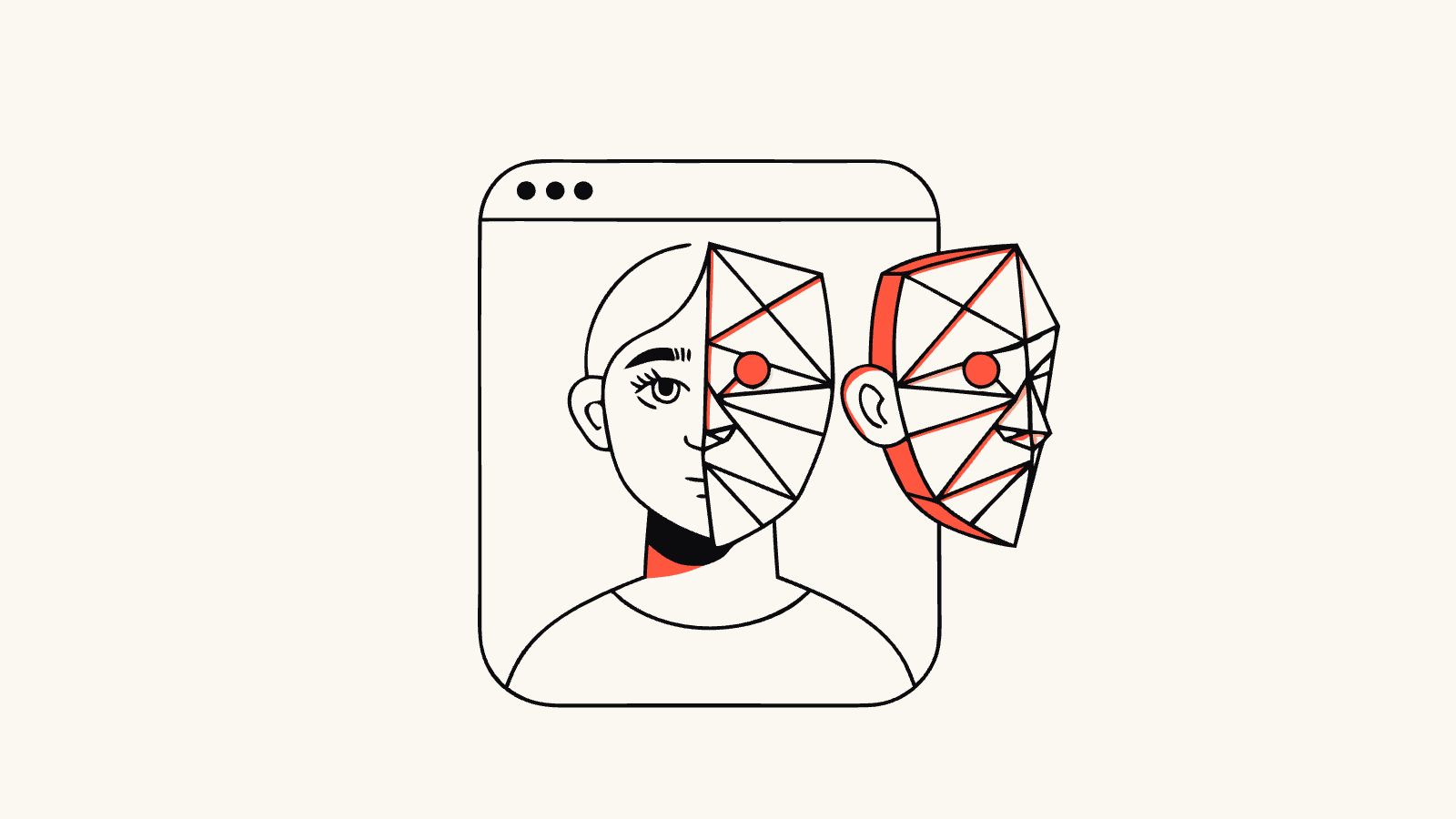
In early 2024 a finance worker at the engineering firm Arup joined a video call with what looked and sounded like the company’s CFO and several colleagues. Every person on the call was an AI deepfake built from public footage. The worker made 15 transfers totalling $25.6 million before anyone checked with head office.
You are not Arup, but the same trick scales down cheaply. A cloned voice on a phone call asking accounts to “pay this invoice today” needs only a few seconds of audio from a podcast, a voicemail or a social clip. Smaller firms are arguably softer targets because one person often controls payments end to end, with nobody to double-check.
The defence is procedural, not technical. Any request to move money or change bank details gets verified on a second channel you initiated, such as calling the person back on the number you already hold. No exceptions for urgency. Urgency is the tell.
3. Shadow AI: the leak inside your own walls
The second risk is your own team. “Shadow AI” is staff using AI tools nobody approved, often pasting in customer lists, contracts or financials to get quicker answers. IBM’s Cost of a Data Breach Report 2025 found one in five organisations had suffered a breach linked to shadow AI, and those breaches cost $670,000 more than average. Among organisations breached through AI, 97% lacked proper AI access controls, and 63% had no AI governance policy at all.
The fix is not a ban. Bans push usage underground, which is how shadow AI happens in the first place. Give people a short list of approved tools on paid business plans, where your data is not used for training by default, and state plainly what must never be pasted into any AI tool: customer personal data, payroll, anything under NDA. Our guide to the best AI tools for small business covers sensible options.
4. When your AI gets it wrong, you own the answer
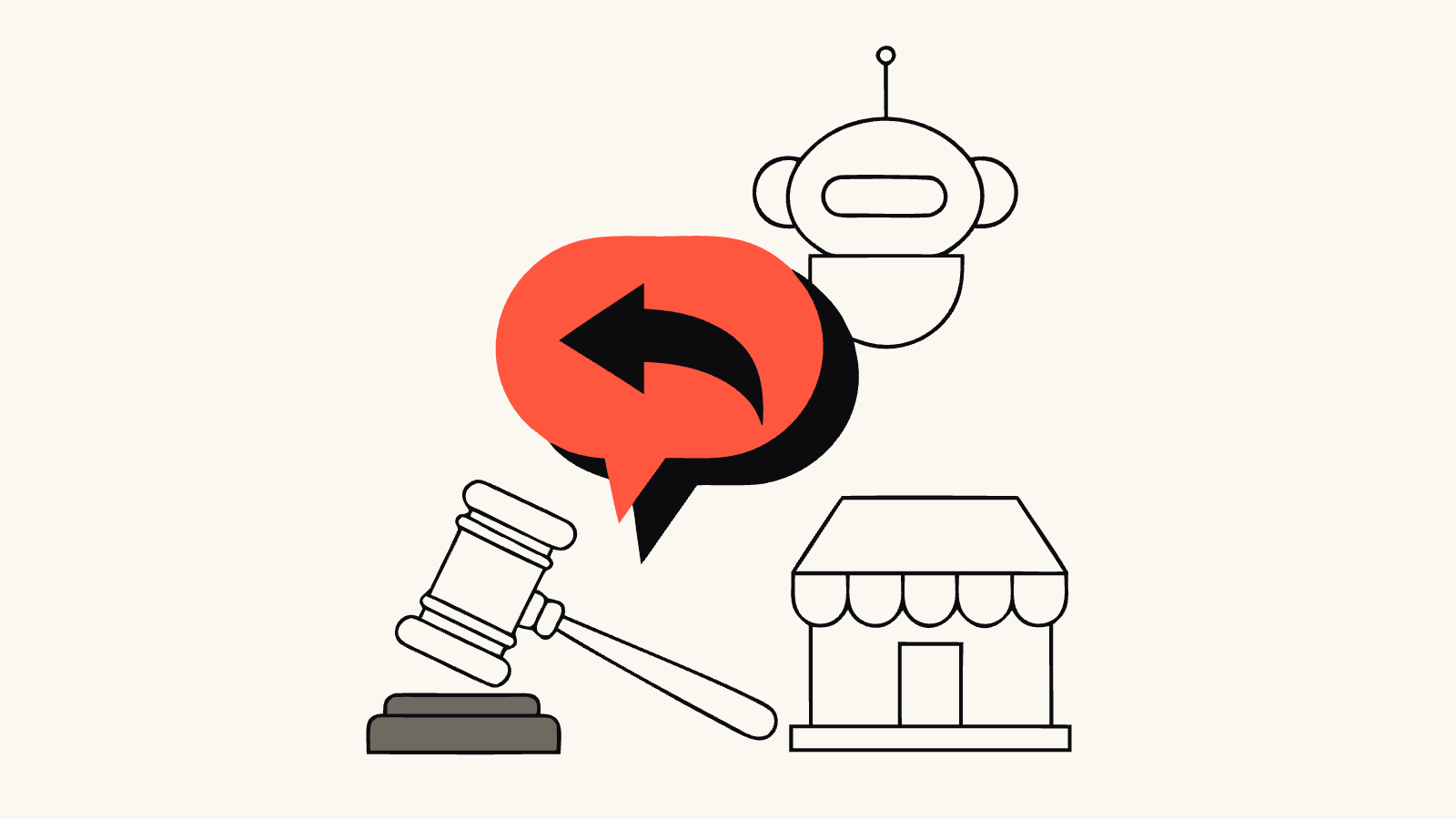
AI systems state wrong things confidently. If the wrong answer reaches a customer, it is your problem, legally as well as reputationally. When Air Canada’s website chatbot invented a bereavement refund policy, the airline argued the chatbot was responsible for its own words. A Canadian tribunal disagreed and ordered the airline to pay. The sum was small, C$812. The precedent was not: your chatbot’s promises are your promises.
Rules are also starting to formalise this. In the EU, transparency obligations taking effect from August 2026 require businesses to tell users when they are talking to an AI system, while the heavier high-risk rules have been pushed back to late 2027 and 2028. The UK has no equivalent act yet, but existing data protection law already applies to what you feed into AI tools.
The practical rule: a human reviews anything an AI sends to a customer, and any public-facing bot is constrained to answer from your actual policies. We go deeper in AI for customer service.
5. AI security for small business: the basics that work
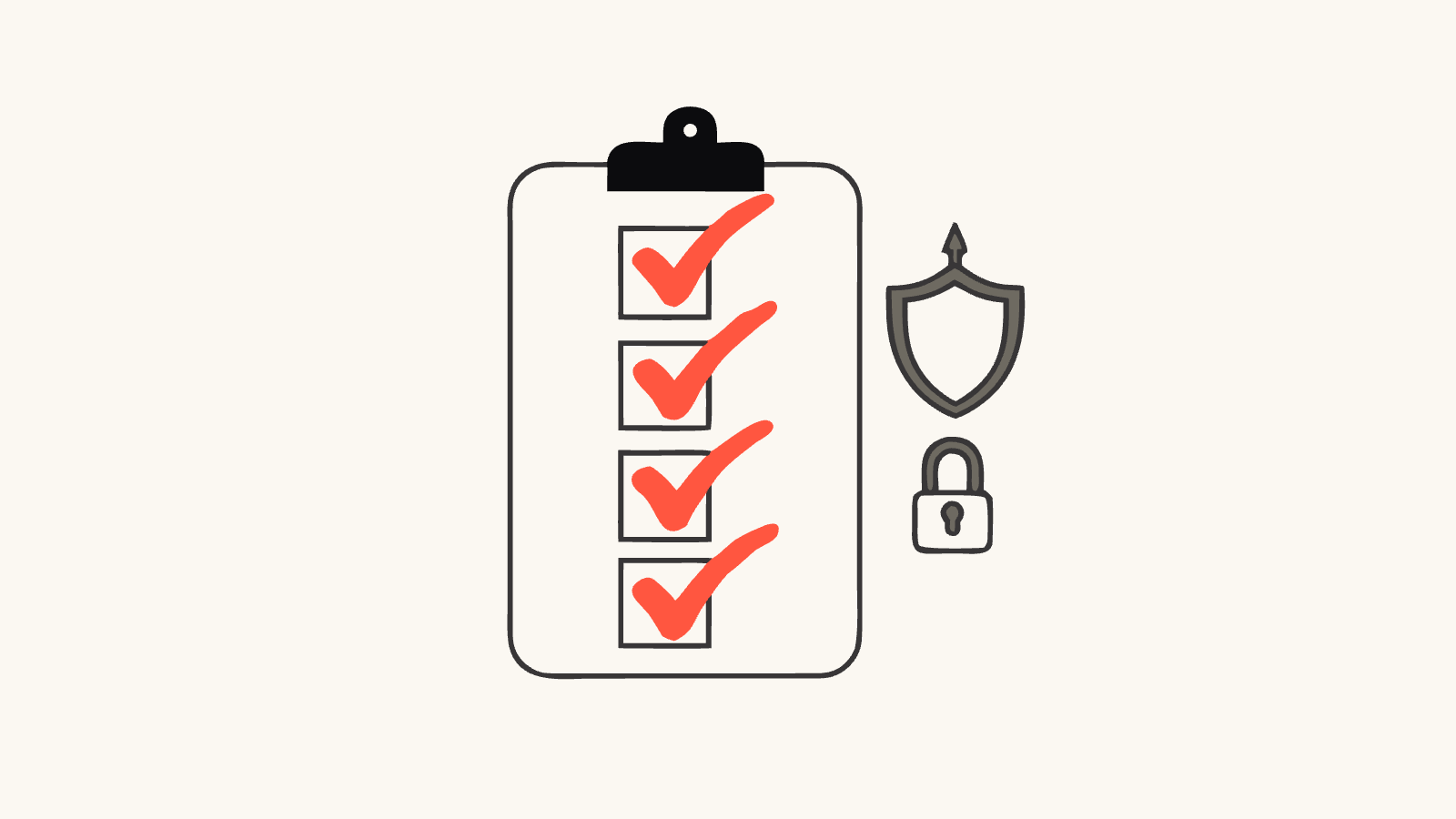
None of this requires a security team. It requires a handful of habits. Verify every payment or bank-detail change on a second channel. Turn on two-factor authentication everywhere; only 43% of UK micro businesses require it, so this alone puts you ahead. Keep an approved AI tool list and a one-page AI policy saying what data stays out. Keep a human review step on customer-facing AI output. And consider Cyber Essentials, the UK’s baseline certification; just 12% of small businesses hold it, up from 5% a year earlier.
Worth noting from the same UK survey: small firms actually went backwards last year, with the share running cyber risk assessments falling from 48% to 41%. The gap between firms adopting AI and firms securing it is widening. Being on the right side of that gap is cheap. When you weigh the cost of these measures against what an incident costs, the maths is not close. Our AI ROI guide covers how to think about that spend.
The bottom line
AI risk is real but boring to manage, and boring is good. A callback rule, two-factor authentication, an approved tools list, a one-page policy and human review of customer-facing output will neutralise most of what is described above. Do those five things this month and you are better protected than most firms your size.
Want to explore AI for your business?
Book a free discovery call to discuss how AI can streamline your operations and unlock new opportunities.
calendar_today Book a discovery callEnjoyed this? Get The Boardroom AI Brief.
Every Tuesday, the 10 AI developments that actually matter for SMEs. One short email. Free.
Free · no spam · unsubscribe any time

// WRITTEN BY
James Anderson
AI and full-stack engineer helping SME owners understand and implement AI. Founder of AI in Business and host of the AI in Business channel on YouTube.
Learn more about James →[ MORE ] RELATED READING
You might also like.


// NEXT MOVE
Get the AI news that matters, every week.
Join The Boardroom AI Brief. One free email every Tuesday: the AI developments that matter for your business, rated for relevance and explained in plain English.